
OxyFlow™ is perfectly suited for Industrial Water Treatment
OxyFlow™ is a unique, patented plant extract product that is applied for the reduction and prevention of scaling, bio-fouling, algae growth and systematic clogging.
OxyFlow™ is applied to water systems to remove and reduce scaling and algae without introducing corrosive chemicals.
OxyFlow™is ideal for pipe treatment and water management solutions tailored to specific industries.
Treatment Successfully Reduces:
OxyFlow™ Provides a environmentally friendly solution to water systems to disrupt scale and biofilm in heavy-duty pipe networks.
OxyFlow™ Uses environmentally safe ingredients driven by water flow to disolve organic buildup, debris and scale out of the pipeline.
OxyFlow™ has no corrosive or negative impact on components and piping systems.
- Phosphates
- Phosphorus
- Nitrate
- Ammonia
- Arsenic (As)
- Calcium (Ca)
- Magnesium (Mg)
- TDS (limited)
- TSS
- FOG
- Iron (Fe)
- Copper (Cu)
- Manganese (Mn)
- Zinc (Zn)
- Aluminium (Al)
Common Conditions Treated
OxyFlow™ treatment is essential for both industrial and agriculture to prevent equipment damage, ensure public health, and maximize resource efficiency.
OxyFlow™ Water treatment is typically applied at centralized plants before the water enters the supply system. However, treatment can also be injected directly into the mains network.
OxyFlow™ Despite different end goals, most industries suffer a common goal:
- Bio-Fouling
- Sediment Build-up
- Organic Clogging
- Scale Deposits
- Fat Oil and Grease Clogging
- Algae Growth
- Iron Oxide Deposits
System Applications
OxyFlow™ treatment is ideal for the following systems:
- Cooling Towers
- Piping Systems
- Fat Traps
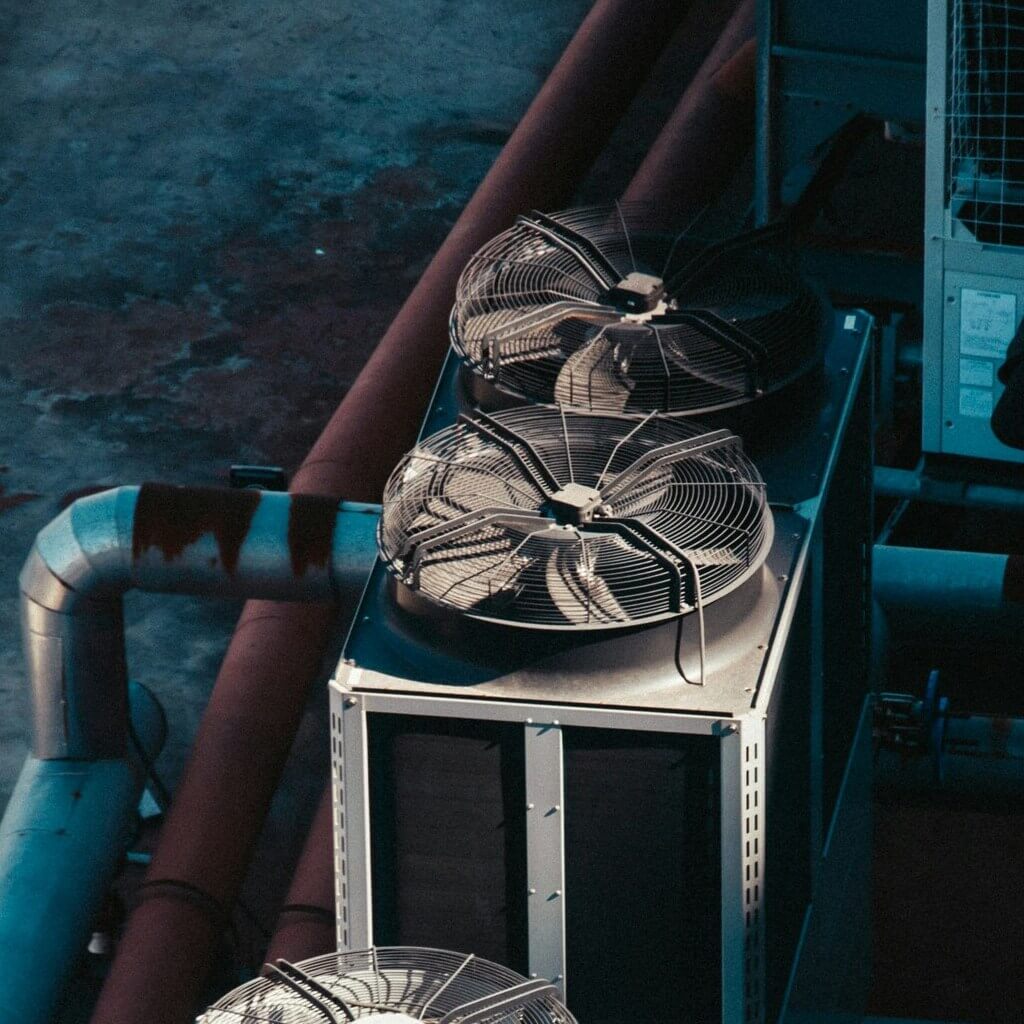
- Cooling Systems
- Process Plants
- Storm Water Systems
- Scrubber Systems
- Drain Systems
- Irrigation Systems
- Restaurant and Hotel Effluents
- Systems Where Systematic Clogging Occur






Got an Incredible Project Right Now?
Whether you need help with a complex problem, want to brainstorm, or just need a quick fact checked, drop your question below and we’ll dive right into it!